
ROOT CANALS 101
We’re going to do whatever it takes to save your tooth
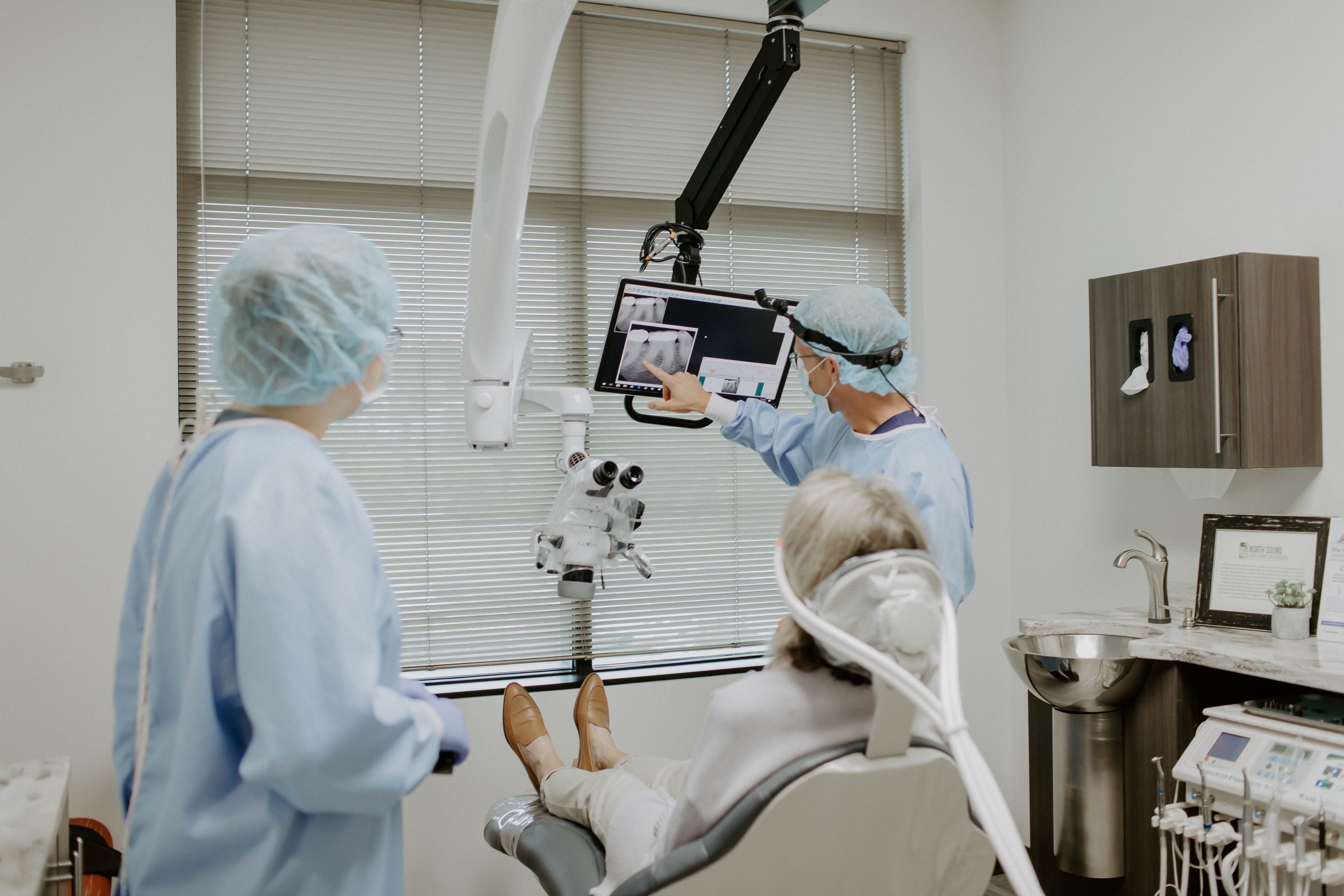
Most often, a root canal is the procedure of choice to save a tooth. But sometimes, due to cracked teeth, disease, traumatic injuries and other situations, we need to consider other surgical options. Be assured, we will always do what is in your best interest and nothing more. New technology allows us to see things we could never do before and get into tooth areas that cannot be accessed by files.
How do I know if I need a root canal?
Root Canal Therapy
If you’ve never had endodontic treatment —also known as a ”root canal “—or if it’s been many years since your last procedure, you may have questions or uncertain expectations.
This page will hopefully answer your questions and explain how today’s endodontic treatment saves teeth. And how North Sound uses advancements in root canal therapy to make the procedure much more satisfactory.
More than 14 million teeth receive endodontic treatment each year. By choosing endodontic treatment, you are choosing to keep your natural teeth as a healthy foundation for chewing and biting for years to come.
The procedure
Your endodontic treatment at North Sound is usually performed in a single visit and involves the following steps:
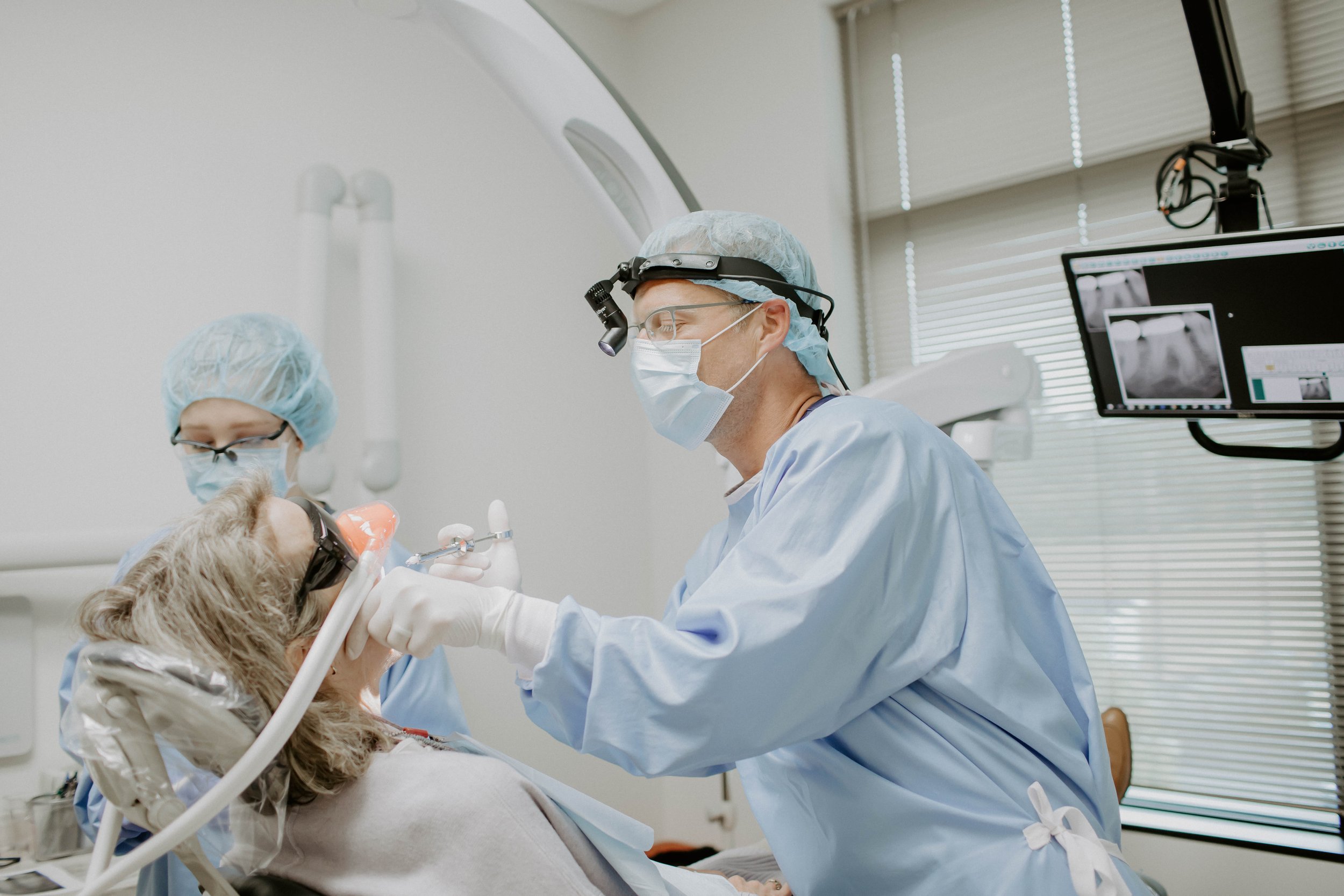
A local anesthetic is administered to numb the tooth. Nitrous Oxide is also available if you would like it. After the tooth is numb, a small protective sheet called a “rubber dam” is placed over the area to isolate the tooth and keep it clean and free of saliva during the procedure.
Rather than using files which can cause the loss of tooth structure, we use GentleWave® Ultracleaning patented technology, a major advancement in root canal treatment, to completely clean the root of the tooth. We believe this is a superior root canal method because it uses sound wave energy and fluid dispersion to clean the diseased root canal system.
The procedure is quicker, more reliable and more comfortable than root canals of the past. After the space is cleaned and shaped, a biocompatible material called gutta-percha is used to seal the canals. In most cases, a temporary filling is placed to close the opening. The temporary filling will be removed before the tooth is restored. You must return to your dentist to have a crown or other restoration placed on the tooth to protect and restore it to full function.
FAQs About Root Canal Therapy
-
Endodontists are dentists with special training in endodontic procedures. They only perform endodontic procedures in their practices because they are specialists. To become specialists, they complete dental school and an additional two or more years of advanced training in endodontics. They perform routine as well as difficult and very complex endodontic procedures, including endodontic surgery . Endodontists are also experienced at finding the cause of oral and facial pain that has been difficult to diagnose.
-
“Endo” is the Greek word for “inside” and “odont” is Greek for “tooth.” Endodontic treatment treats the inside of the tooth.
To understand endodontic treatment, it helps to know something about the anatomy of the tooth. Inside the tooth, under the white enamel and a hard layer called the dentin, is a soft tissue called the pulp. The pulp contains blood vessels, nerves, and connective tissue and creates the surrounding hard tissues of the tooth during development. The pulp extends from the crown of the tooth to the tip of the roots where it connects to the tissues surrounding the root. The pulp is important during a tooth’s growth and development. However, once a tooth is fully mature it can survive without the pulp, because the tooth continues to be nourished by the tissues surrounding it.
-
Endodontic treatment is necessary when the pulp becomes inflamed or infected. The inflammation or infection can have a variety of causes: deep decay, repeated dental procedures on the tooth, or a crack or chip in the tooth. In addition, a blow to a tooth may cause pulp damage even if the tooth has no visible chips or cracks. If pulp inflammation or infection is left untreated, it can cause pain or lead to an abscess.
Signs of pulp damage include pain, prolonged sensitivity to heat or cold, discoloration of the tooth, and swelling and tenderness in the nearby gums. Sometimes, there are no symptoms.
-
You should not chew or bite on the treated tooth until you have had it restored by your dentist. The unrestored tooth is susceptible to fracture so you should see your dentist for a full restoration as soon as possible. Otherwise, you need only practice good oral hygiene, including brushing, flossing, and regular checkups and cleanings.
-
Most teeth can be treated. Occasionally, a tooth can’t be saved because the root canals are not accessible, the root is severely fractured, the tooth doesn’t have adequate bone support, or the tooth cannot be restored. However, advances in endodontics are making it possible to save teeth that even a few years ago would have been lost. And, when endodontic treatment is not effective, endodontic surgery may be able to save the tooth.
-
When the pulp of a tooth is damaged, the only alternative to endodontic treatment is the extraction of the tooth. To restore chewing function and to prevent adjacent teeth from shifting, the extracted tooth must be replaced with an implant or bridge. This requires surgery or dental procedures on adjacent healthy teeth and can be far more costly and time-consuming than endodontic treatment and restoration of the natural tooth. No matter how effective modern tooth replacements are – and they can be very effective- nothing is as good as a natural tooth.

What are the steps of a root canal?
How long does it take to recover from a root CanaL?

Contact us.
Our outstanding staff is here to help create a healthy result but, just as importantly, to make you glad you chose North Sound.